About Maudifai
"Establish a trusted digital archive that supports the study, preservation, and global recognition".
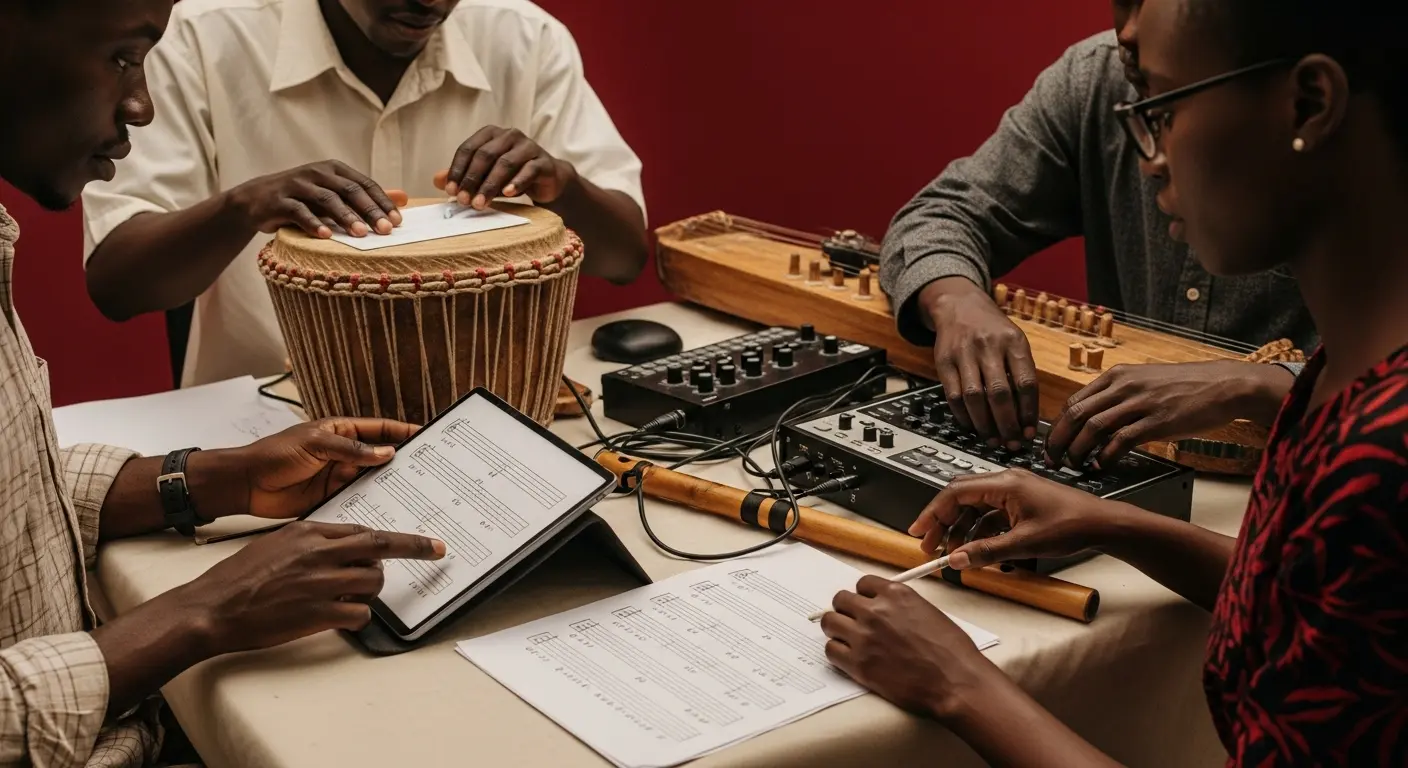
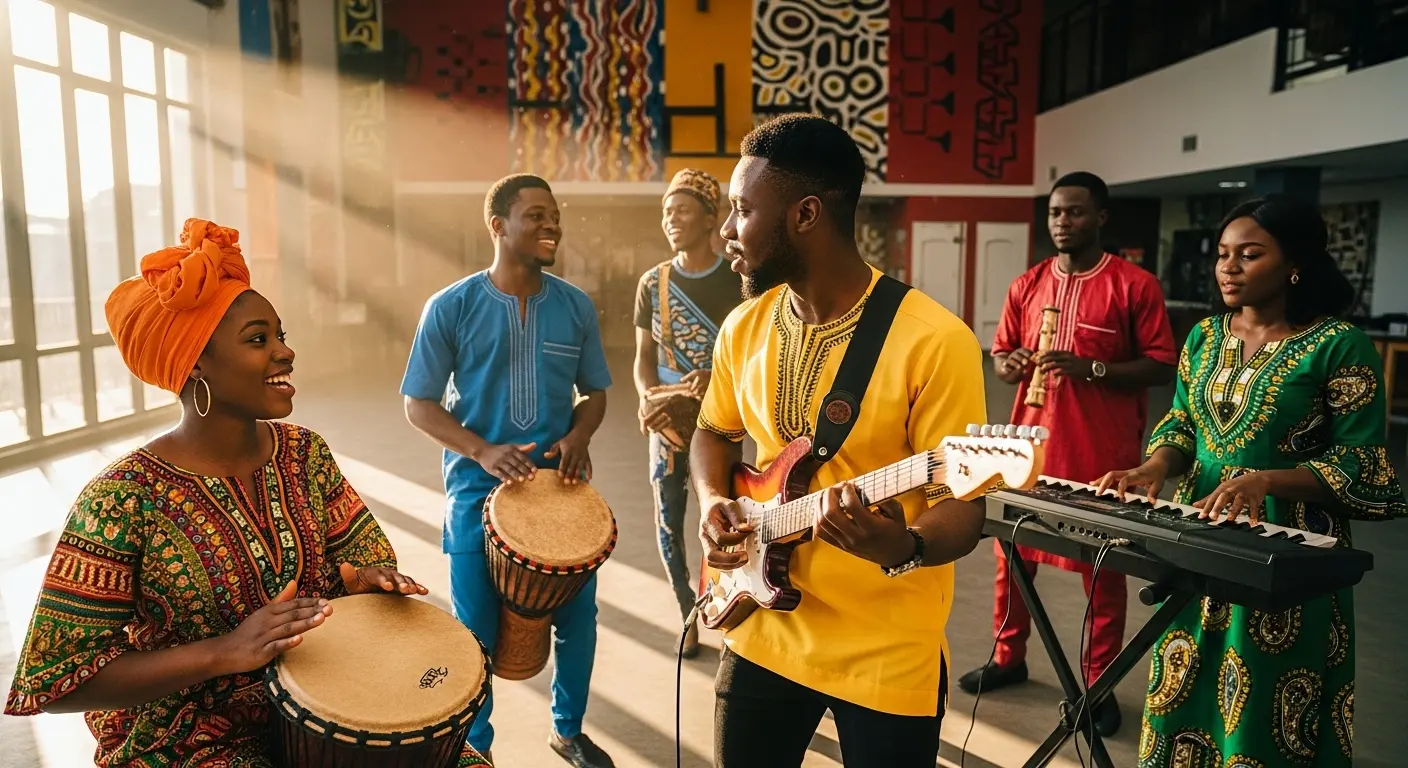
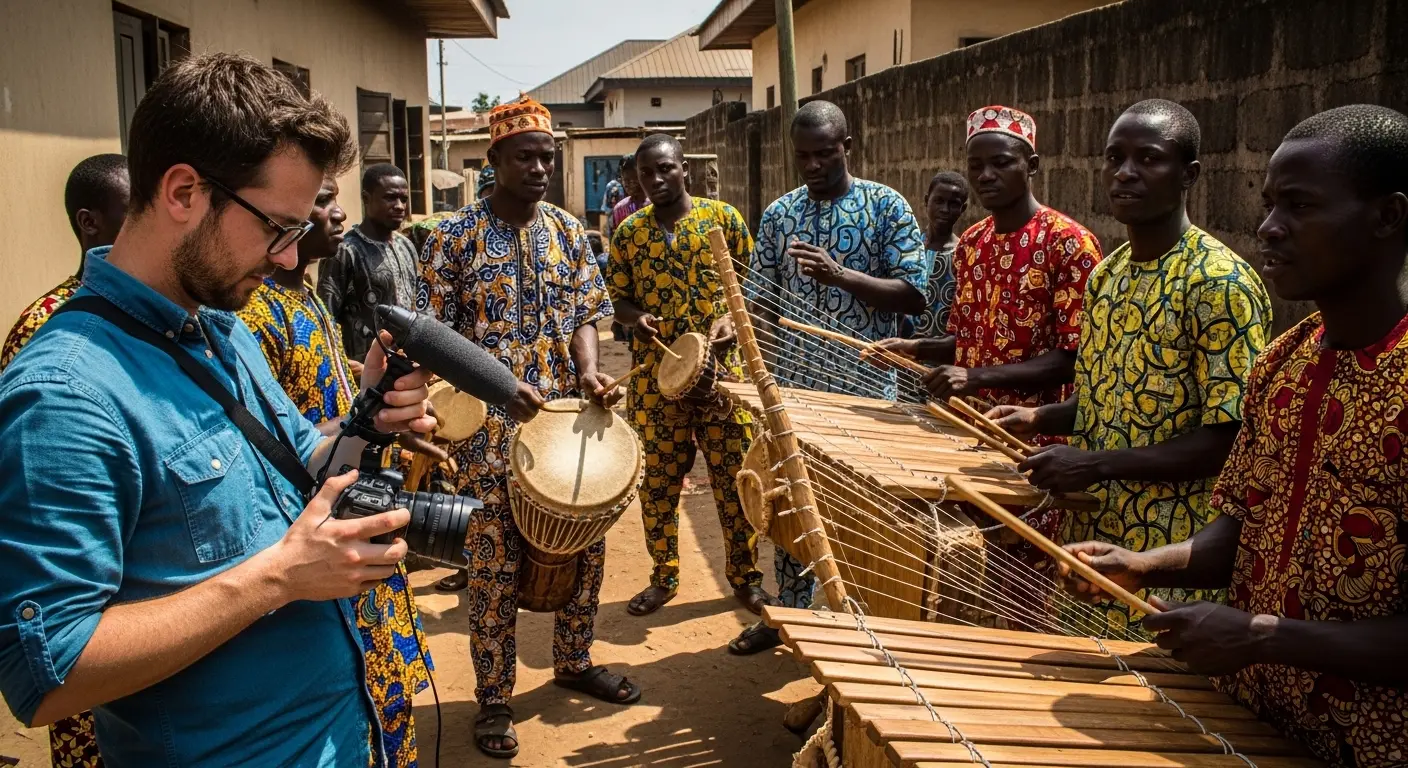
MAUDIFAI is a digital archive dedicated to the preservation, documentation, and scholarly interpretation of African (Nigerian) music.
Through the systematic curation of sound recordings, musical notation, and cultural research, the platform serves as a structured repository for musical works that reflect Africa's diverse musical traditions and evolving contemporary expressions.
The archive provides reliable, research-oriented access to music across regions, genres, and historical periods.
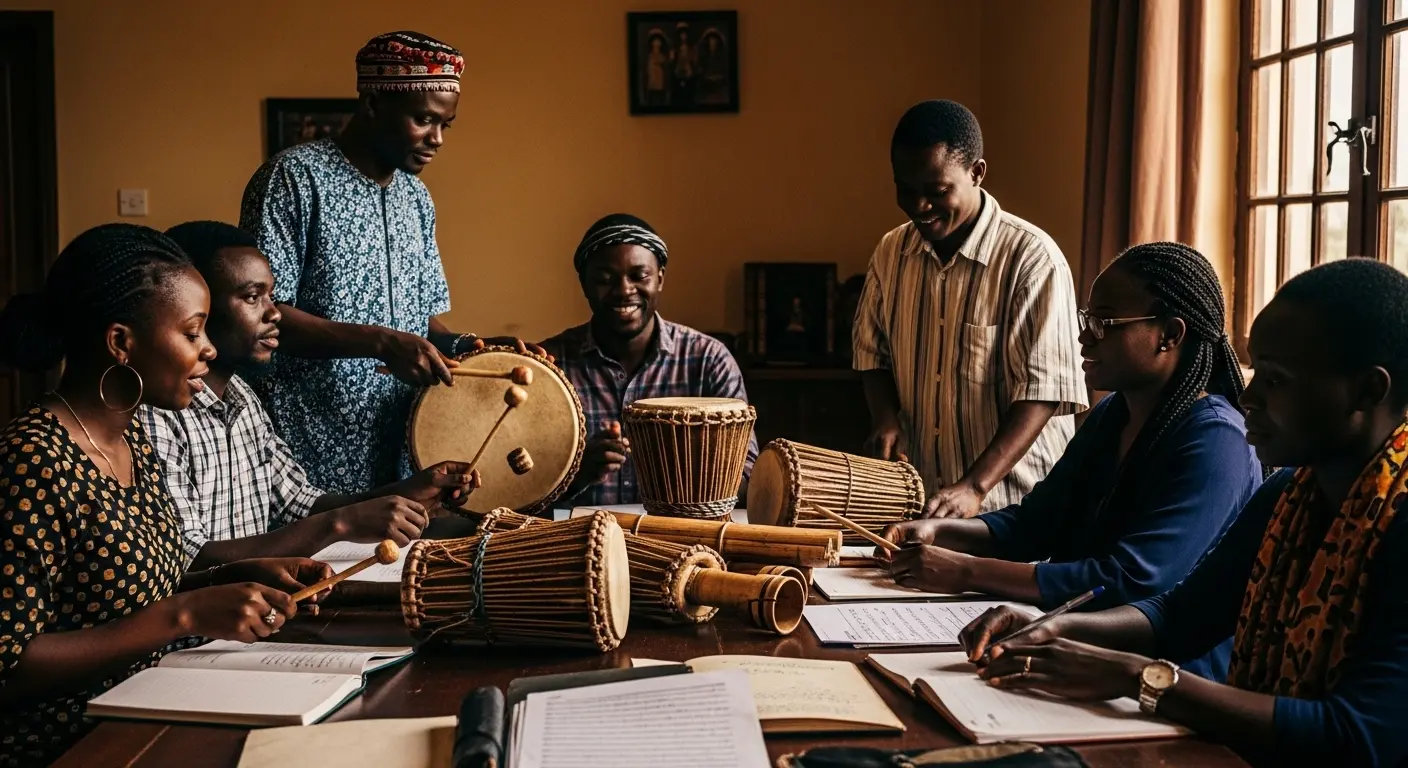
By integrating audio materials with notational analysis and contextual documentation, MAUDIFAI supports critical study beyond listening - enabling comparative analysis, academic inquiry, and long-term reference for researchers, educators, and students.
Our Mission
"Connecting sound, notation, and scholarship in one living archive".
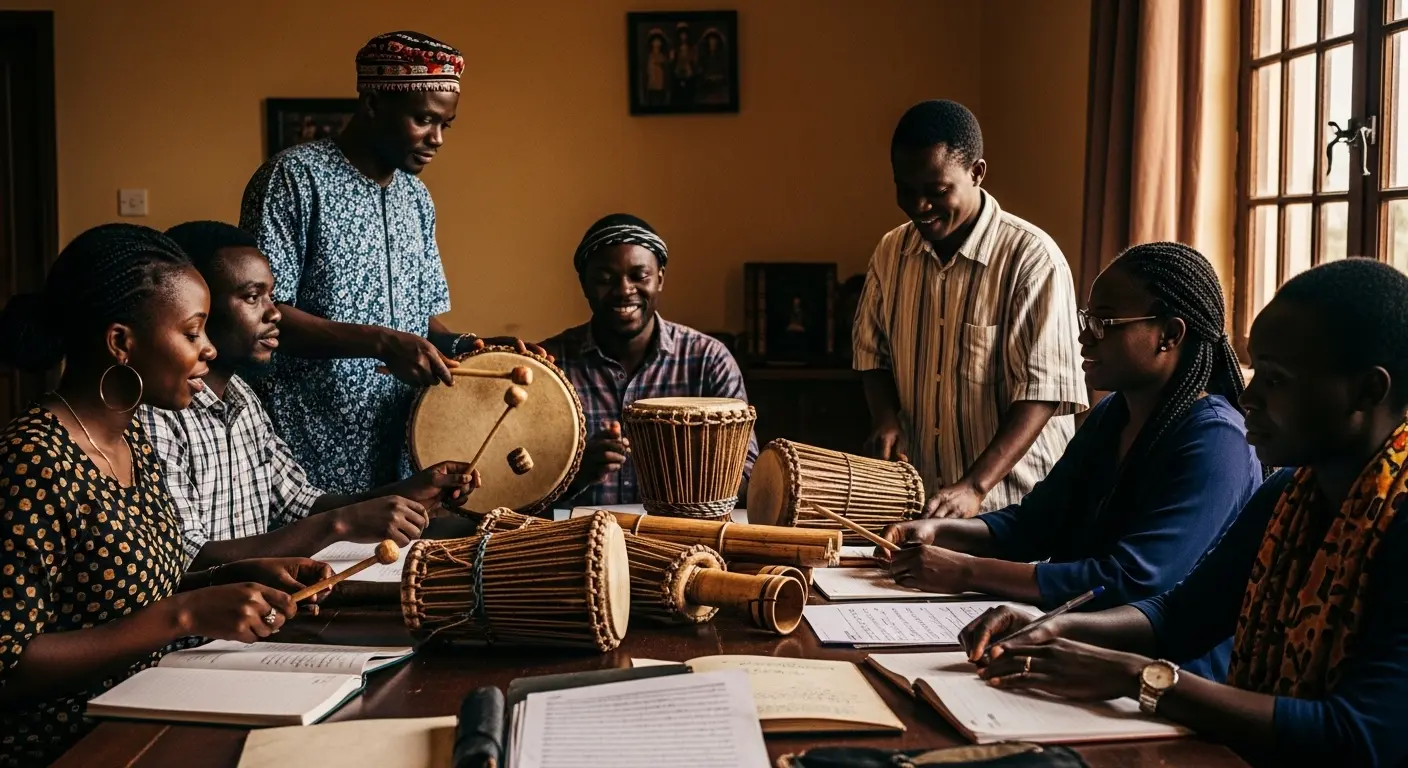
The African Music Archive bridges scholarship and accessibility, ensuring that the rich musical heritage of Nigeria and West Africa receives the rigorous documentation it deserves.
We believe music carries histories of creativity, resistance, joy, and community. By providing deep cultural context alongside musical artifacts, we honor the complexity and significance of these works.
Whether you're a researcher, educator, student, or music lover, these resources exist to deepen understanding and spark discovery.
Our Vision
Our vision is guided by four core pillars:

Preservation of Musical Heritage
To safeguard Nigerian musical works — both traditional and modern — by documenting them in durable, accessible digital formats.

Scholarly Access & Interpretation
To support researchers, educators, and students with structured musical notation and contextual analysis that complements oral tradition.

Cultural & Historical Contextualization
To situate music within its historical, social, linguistic, and spiritual environments, recognizing music as a reflection of lived experience.

Responsible Digital Stewardship
To build a trusted reference platform grounded in accuracy, transparency, and respect for cultural ownership and authorship.
What Makes Us Different
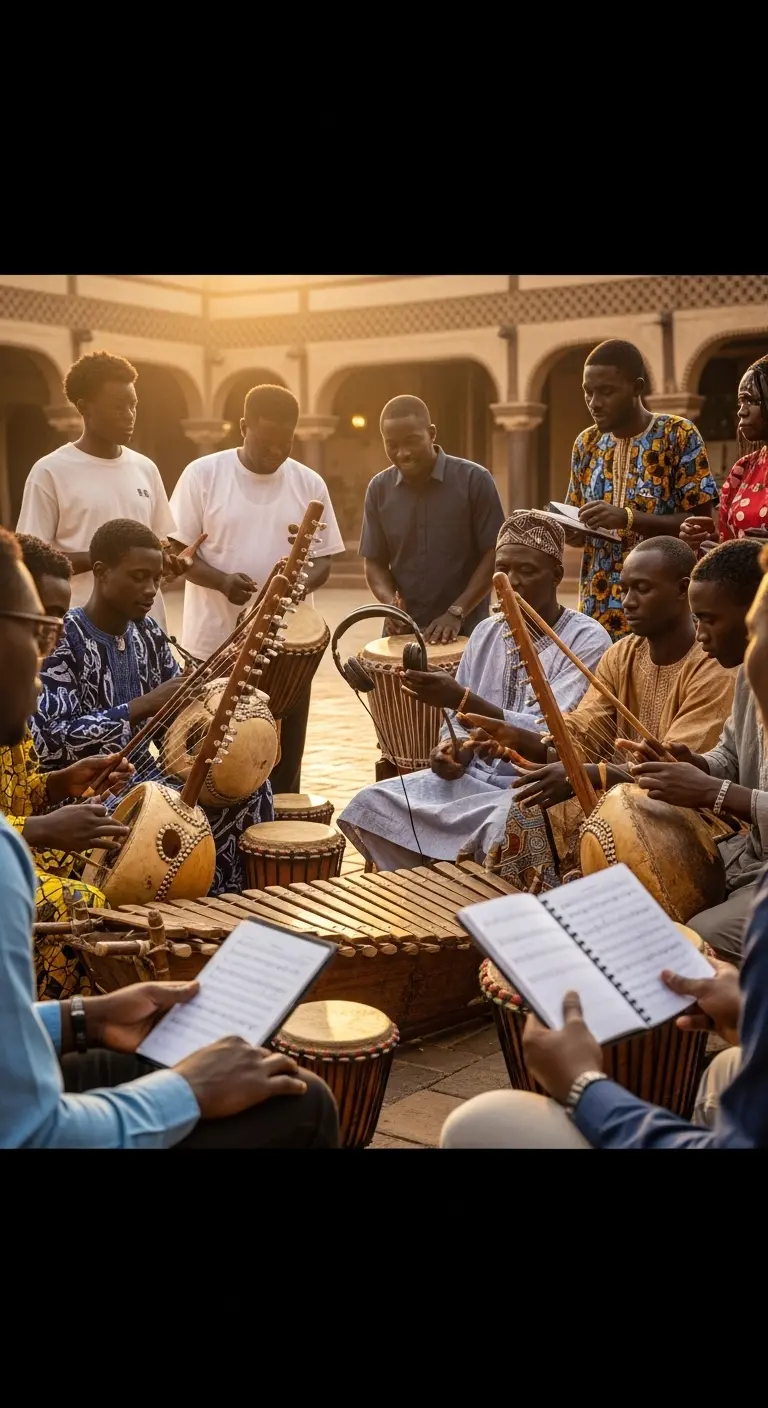
Sound, notation, and cultural context in one living archive.
The African Music Archive bridges scholarship and accessibility, ensuring that the rich musical heritage of Nigeria and West Africa receives the rigorous documentation it deserves.

01
Audio Recordings
Curated recordings of Nigerian musical works across genres, eras, etc
02
Musical Notation
Transcriptions that capture melodic, rhythmic, and harmonic structures
03
Scholarly Articles
Research-based writing that explores musical form, meaning, and history
04
Cultural Context
Background information that situates music within its cultural, social, history
Content Ethics & Review Process
Expert Review
All materials reviewed by music professionals and cultural historians for accuracy.
Academic Grounding
All materials reviewed by music professionals and cultural historians for accuracy.
Ethical Preservation Statement
All materials reviewed by music professionals and cultural historians for accuracy.
Why Nigerian Music Matters
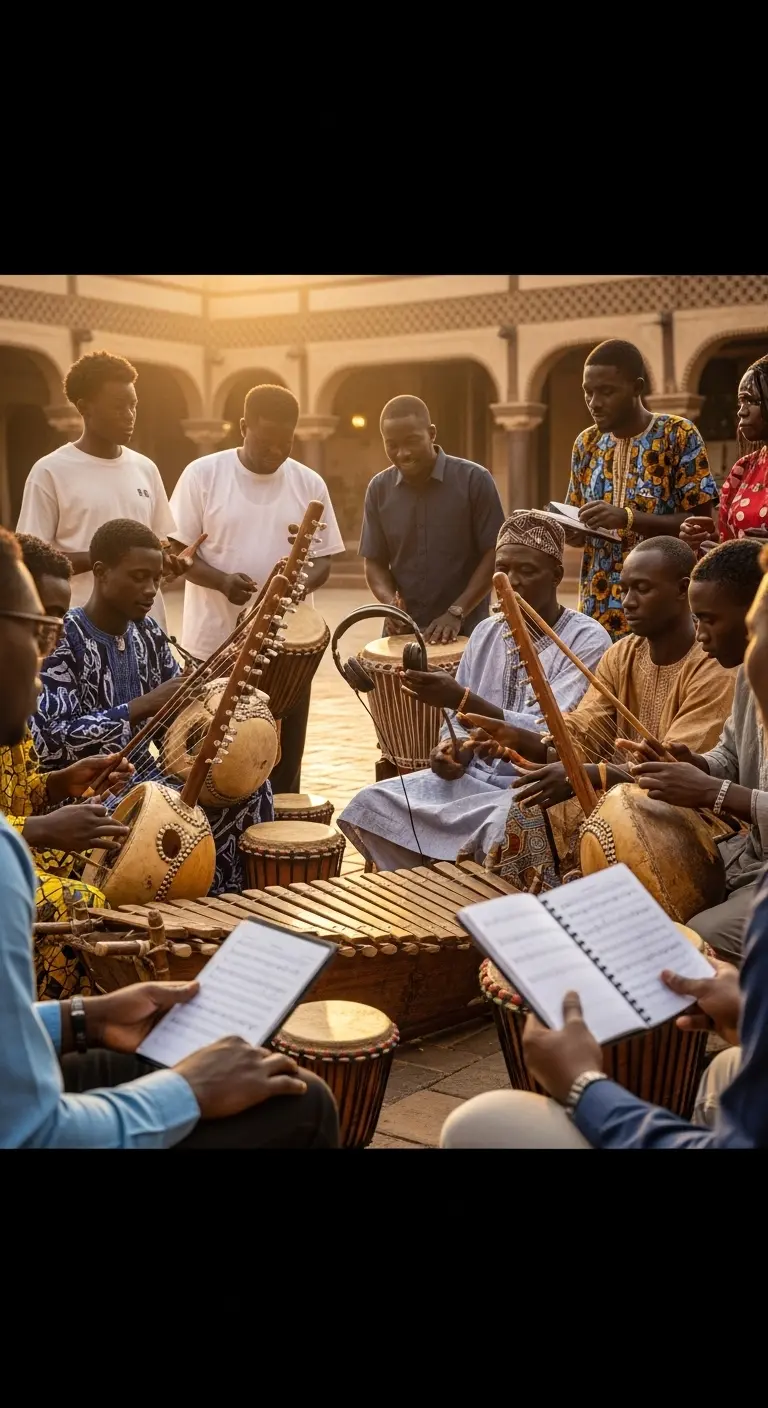
Nigerian music reflects layered histories, cultural identities, and social narratives that deserve structured preservation and critical engagement.

Cultural Identity
Background information that situates music within its cultural, social, history

Education
Background information that situates music within its cultural, social, history

Intergenerational Transmission
Background information that situates music within its cultural, social, history
Looking Ahead
MAUDIFAI will grow through responsible expansion, improved access tools, and collaboration
MAUDIFAI will keep expanding its archive through careful documentation, better access tools, and ongoing collaboration with musicians, researchers, educators, and cultural institutions.
As the collection grows, the focus will remain on accuracy, rich context, and ethical representation, ensuring each entry deepens understanding of Nigeria's musical heritage while supporting research, education, and public engagement.